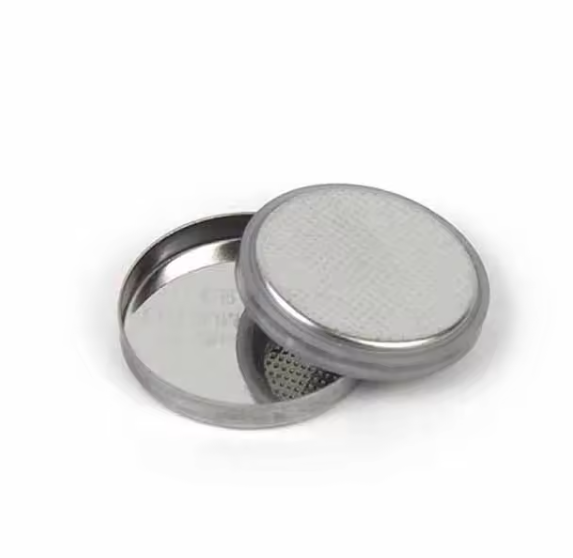
Coin cell simulator
PRODUCT PARAMETERS
Description
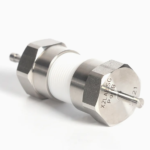
Coin Cell Simulator Detail
| Material | SS316 Stainless Steel |
| Design | Customize |
| Dimension Report | Dimension Report |
| Weight (Kg) | 1 |
| T5: Holds 5 Cells | 500 * 70 * 90 mm |
| T8: Holds 8 Cells | 800 * 70 * 90 mm |
| Video Outgoing-Inspection | Provided |
| Marketing Type | Hot Product 2024 |
| Applicable Industries | Energy & Mining, Battery Research |
| Machinery Test Report | Provided |
| Specification | Standard exported package |
| Origin | Guangdong, China |
| Surface Treatment | Customize |
| Material Inspection Report | Material Inspection Report |
| Condition | New |
| Warranty | 1 Year |
| Showroom Location | United States, Russia, Japan |
| Warranty of Core Components | 1 Year |
| Main Body | ID 13mm |
| Core Components | Bearing |
| Stainless Steel Sleeve | Od 25.4mm |
| Transport Package | Standard Exported Package |
Product introduce
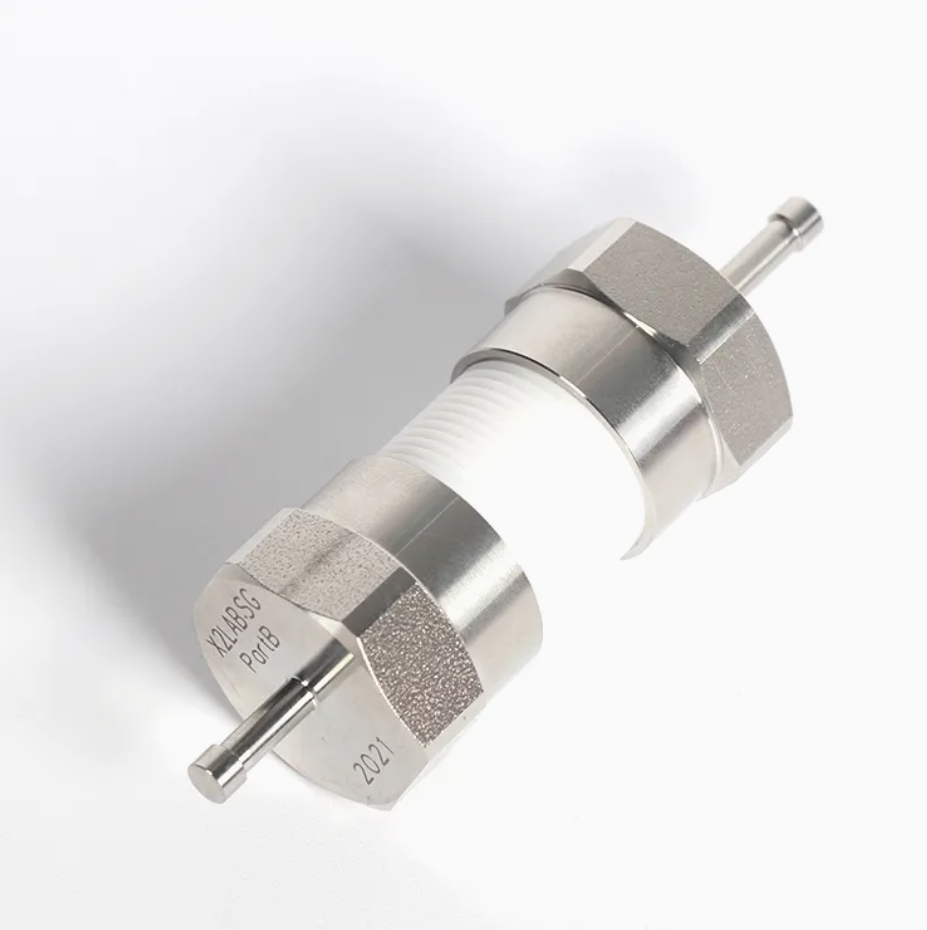
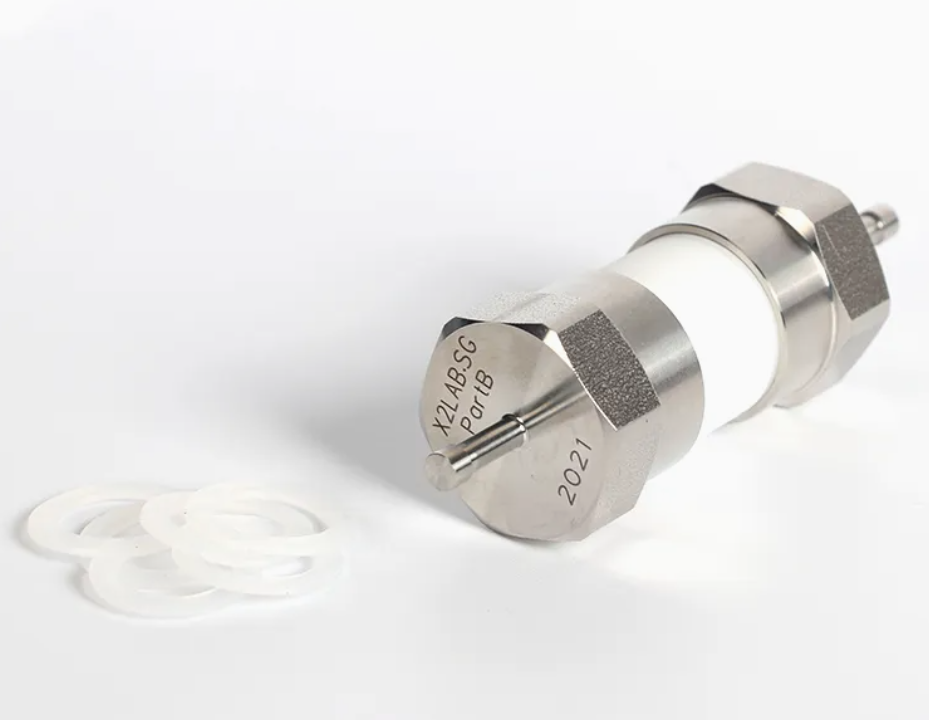
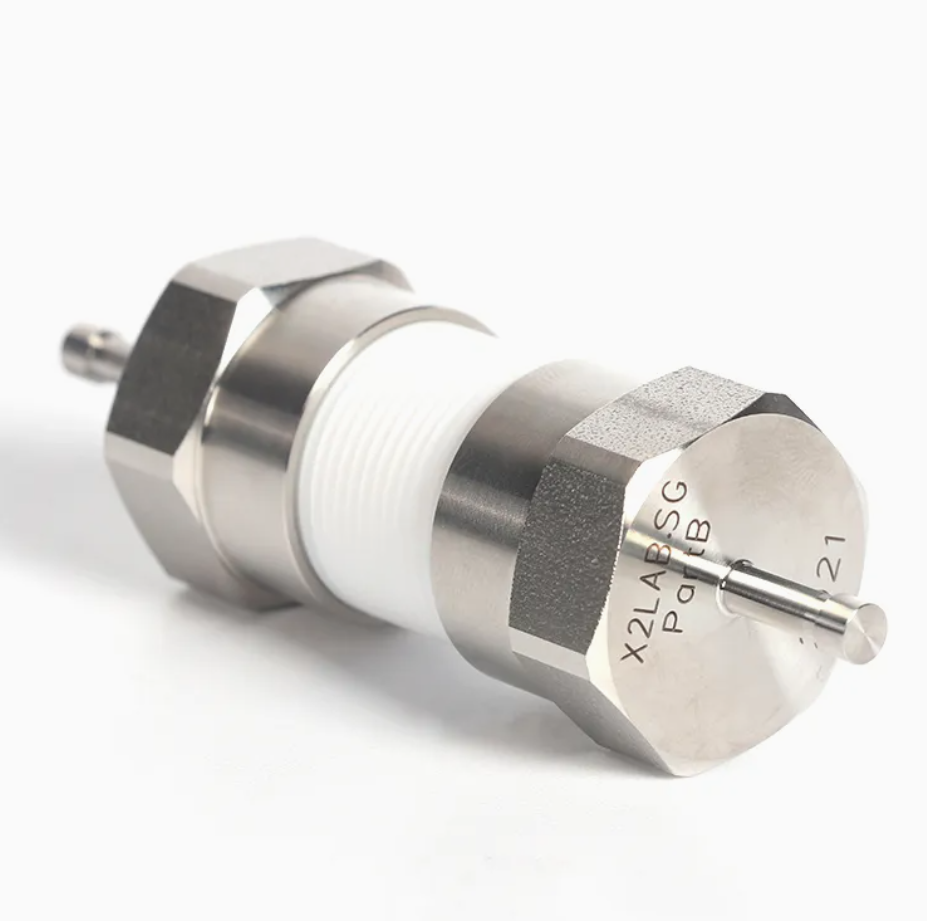
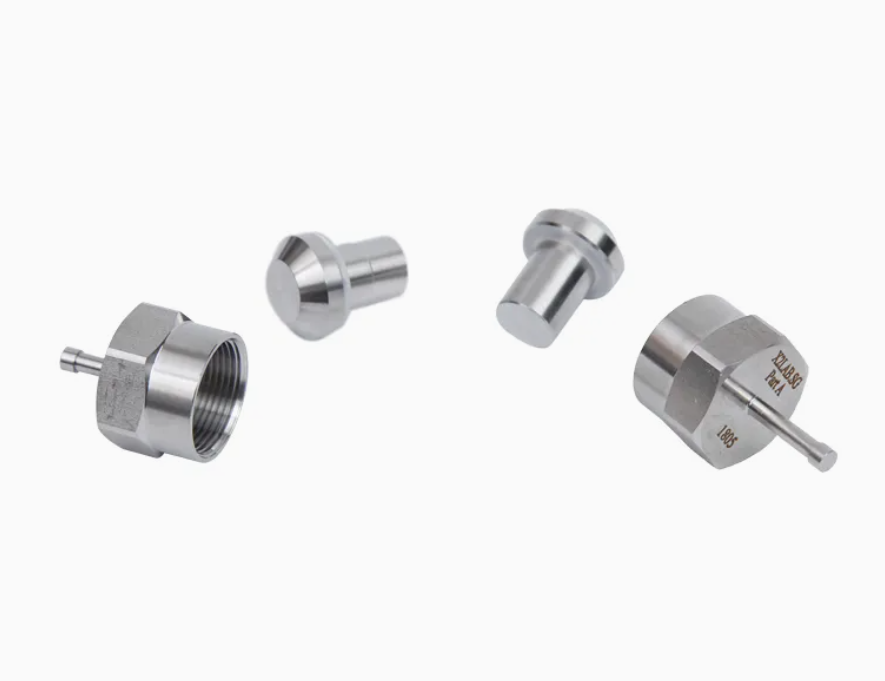
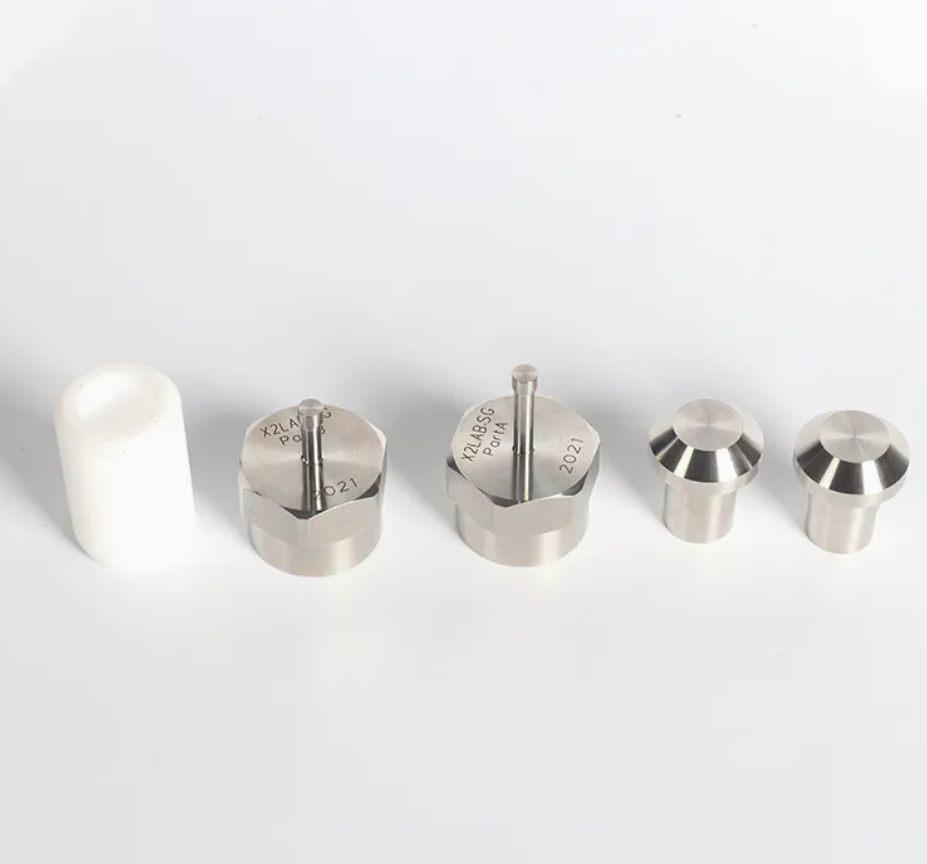
This cell is specially designed for lithium ion battery’s research. It consists of 5 parts as shown below.
Part size:
Stainless steel sleeve: outer diameter 25.4mm
Teflon body: inner diameter: 13 mm
Material: SS316 stainless steel
The cell is used in conjunction with an acrylic rack. The acrylic rack is designed to allow the cell to work upright during testing.
Two types of racks are available:
T5: Holds 5 cells. Dimension: 500 x 70 * 90 mm
T8: Holds 8 cells. Dimension: 800 x 70 * 90 mm
Usage Guide
The cell is placed vertically on the rack during measurement. In each cell, there are 5-10 drops of electrolytes required to wet the electrode and separator. We recommend to wrap the cells with para-film after assembly in Glove-box in order to ensure better sealing. The electrolyte will be kept in the cap even when excess electrolyte is added. Note the gap between the steel rod and Teflon body is very small.
Typical Procedures
The working electrode consisted of active material (e.g., TiO2 NSHSs), a conductive agent (carbon black, Super-P-Li), and a polymer binder in a 70:20:10 weight ratio.Mix and put on copper foil, fry in vacuum oven.
Pure lithium metal as both the counter electrode and the reference electrode at room temperature.
In Coin cell simulator, put working electrodes first,then separator, then the lithium metal.
How to put in separator:
Stick lithium metal on the separator, wet with electrolyte, so that separator can stick onto it. And then put them into Coin cell simulator.
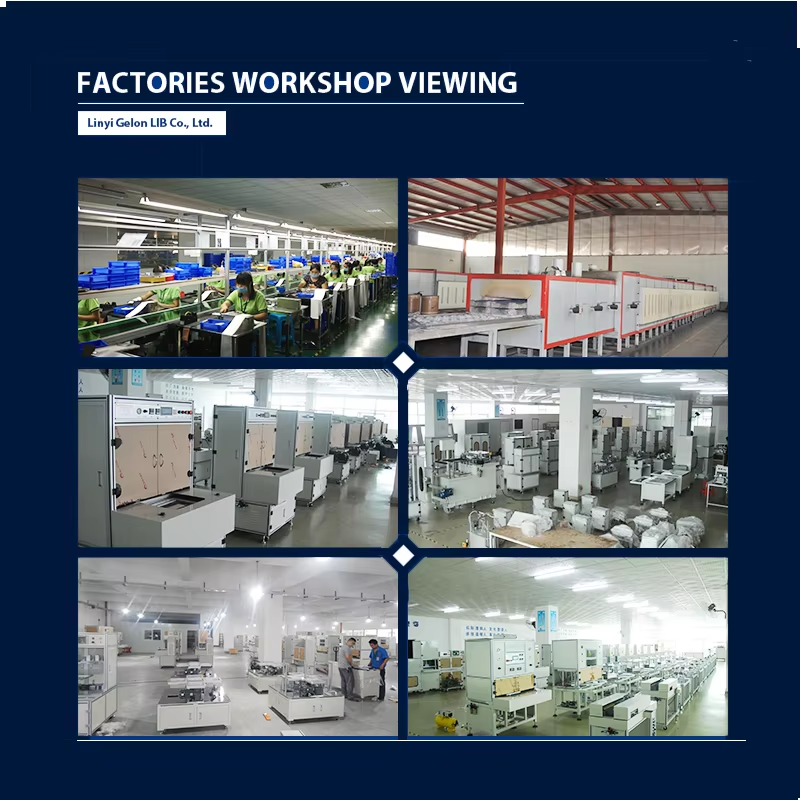
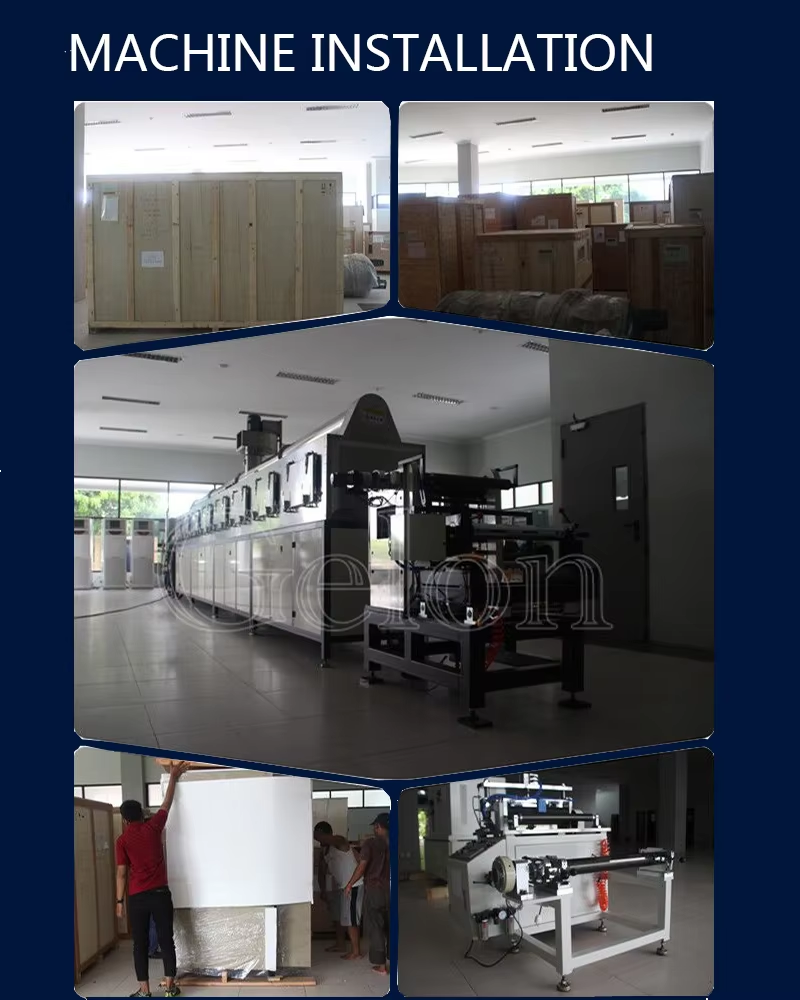
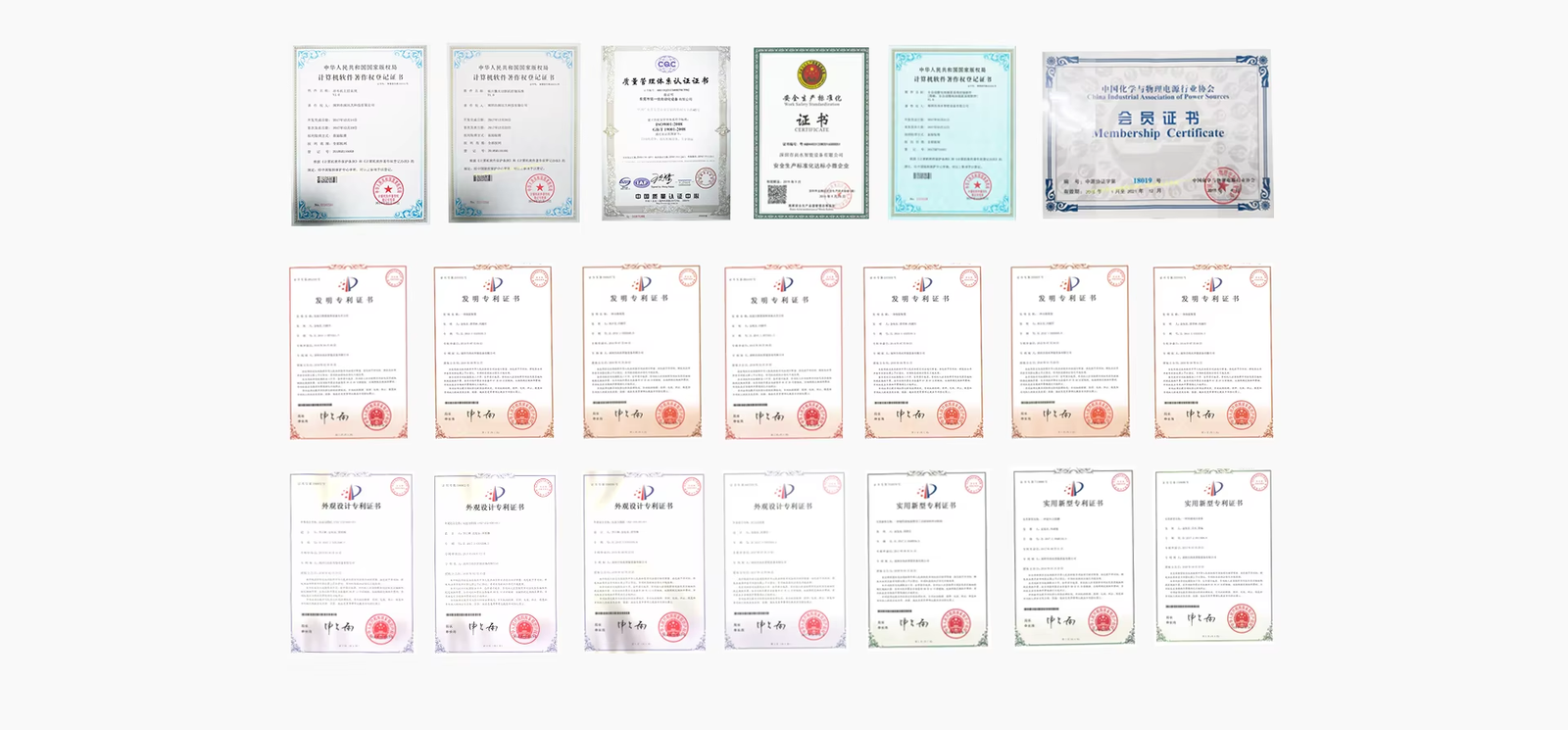
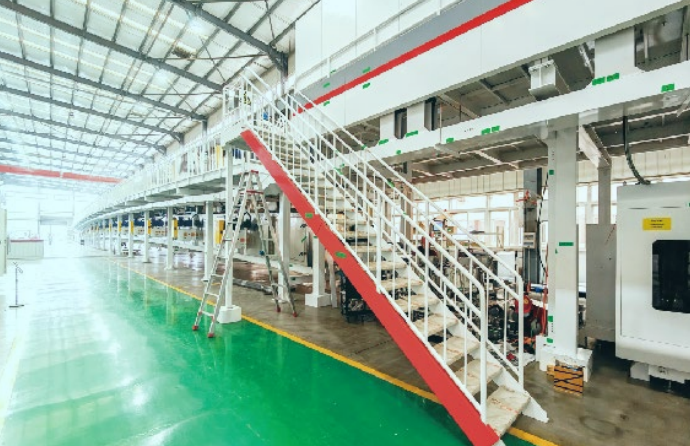
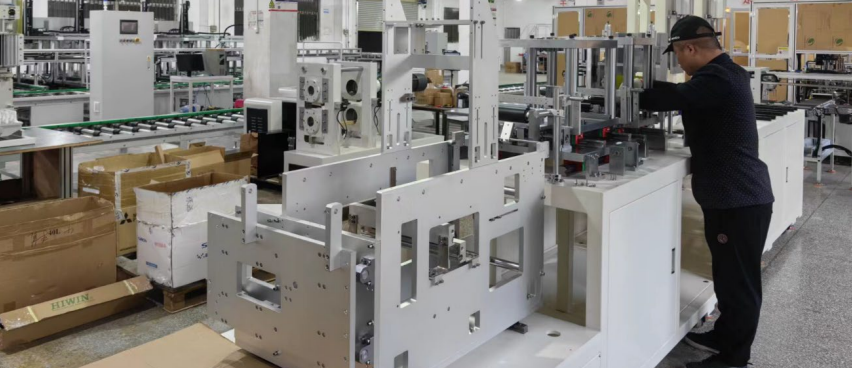
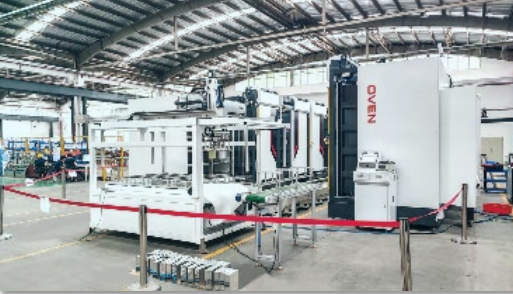
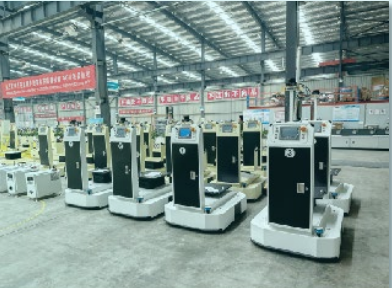
LiBatteryEquip is a professional supplier specializing in complete Battery Laboratory Equipment,Lithium Battery Production Line, and Battery Testing Equipment. With over 20 years of experience in lithium battery material production, and battery equipment manufacturing, we provide customized lithium battery laboratory and pilot production line solutions for various research institutions and enterprises to meet their diverse needs. Our technical and management team possesses more than 20 years of expertise in the battery-related industry, consistently committed to delivering superior products and comprehensive services to our clients.
About Us
FAQs
Please send us your purchase order by email or call us sales , then we can make the proforma invoice under your request .We need to know the following information for your order before sending your PI
1) Product information–quantity ,specification(size,technological if needed and packing requirements ect.)
2) Delivery time required.
3) Shipping information–Company name, detail address, phone number, destination sea port .
4) Forwarder’s contact details if there’s any in China
It takes 1-5 days for sample order or part of inventoryequipment (depending on the requirements of the order)10-30 days for mass production orders(depending on order requirements, etc.)
Please tell us :
What's your application and your special requestof the products ?
Better to let us know what's your expect performance ?
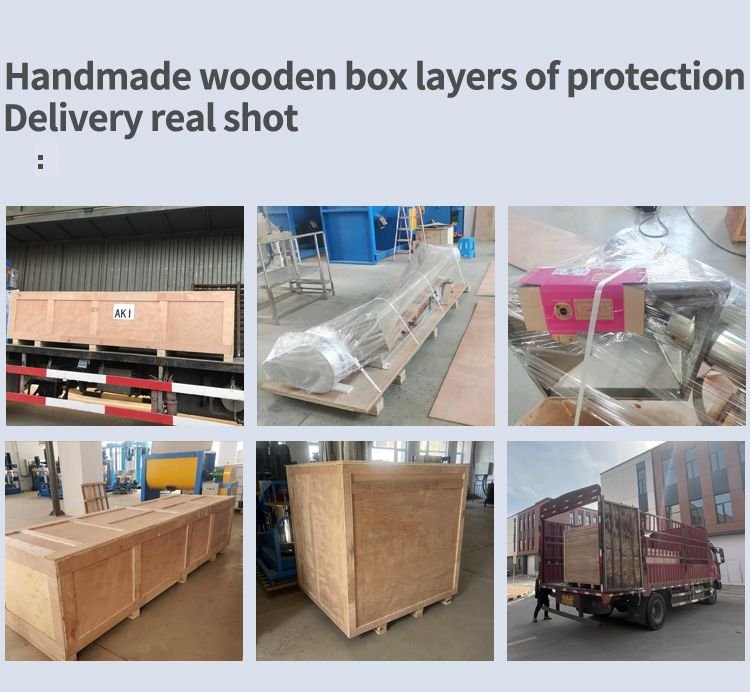
We accept EXW, FOB, CIF,DAP etc. You can choose the one whichis the most convenient or cost effective for you.
There is a English manual for each equipment that will show youhow to use the machine If there is still any questions,Please feel free to contact us by online service,such as e-mail/skype/phone/whatsapp/wechat at any time.
- The guarantee period : One year
LiBatteryEquip is a professional supplier specializing in complete Battery Laboratory Equipment,Lithium Battery Production Line, and Battery Testing Equipment. With over 20 years of experience in lithium battery material production, and battery equipment manufacturing, we provide customized lithium battery laboratory and pilot production line solutions for various research institutions and enterprises to meet their diverse needs. Our technical and management team possesses more than 20 years of expertise in the battery-related industry, consistently committed to delivering superior products and comprehensive services to our clients.